


Top 12 Podcast Hosting Platforms in 2026
Podcast hosting platforms now go beyond storing audio, with video, dynamic ad insertion, and better analytics. Brought to you by the team at TYX Studios, this guide helps you choose the right platform for 2026.

Reviewed by Jack Freegard, Managing Director at TYX – Updated 17 December 2025
Choosing the best podcast hosting platform is usually straightforward. If you’re testing a new show, start with free plans or a free trial, and check whether the host includes a free podcast website. If you’re building branded podcasts or podcast networks, prioritise advanced analytics, IAB-certified analytics, team workflows, dynamic ad insertion, and private podcasting, including Apple Podcasts Subscriptions
What is a podcast hosting platform?
A podcast hosting platform is a service that stores your audio files, generates your RSS feed (podcast feed), and delivers new episodes to Apple Podcasts, Spotify, and other podcast directories. It usually also includes basic podcast analytics, and often gives you a simple podcast website or embeddable player to share episodes on your own site.
Fast picks
- Best for beginners: Buzzsprout
- Best free podcast hosting: Spotify for Creators
- Best for monetisation tools: Podbean
- Best for multiple podcasts: Transistor
- Best for private podcasting: Captivate
- Best for brands and teams: Simplecast
Quick comparison of our top 5
How we reviewed these podcast hosting providers
Here are the essential features we prioritised when comparing hosts.:
- RSS feed setup and control
- Podcast distribution to Apple Podcasts, Spotify, and other podcast directories
- Podcast analytics quality, including IAB certified analytics where relevant
- Website options like a podcast website, a basic podcast website, and an embeddable podcast player
- Monetisation features, including dynamic ad insertion and listener support
- Team workflows for multiple members
- Private podcasting for internal comms, courses, and subscriber-only content
- Video podcast hosting for creators building a YouTube channel alongside audio
No affiliate links. No paid placements. Just what we’d recommend if you asked us in the studio. We looked at other podcast hosting platforms too, but these 12 are the most consistent across real publishing workflows.
1. Buzzsprout
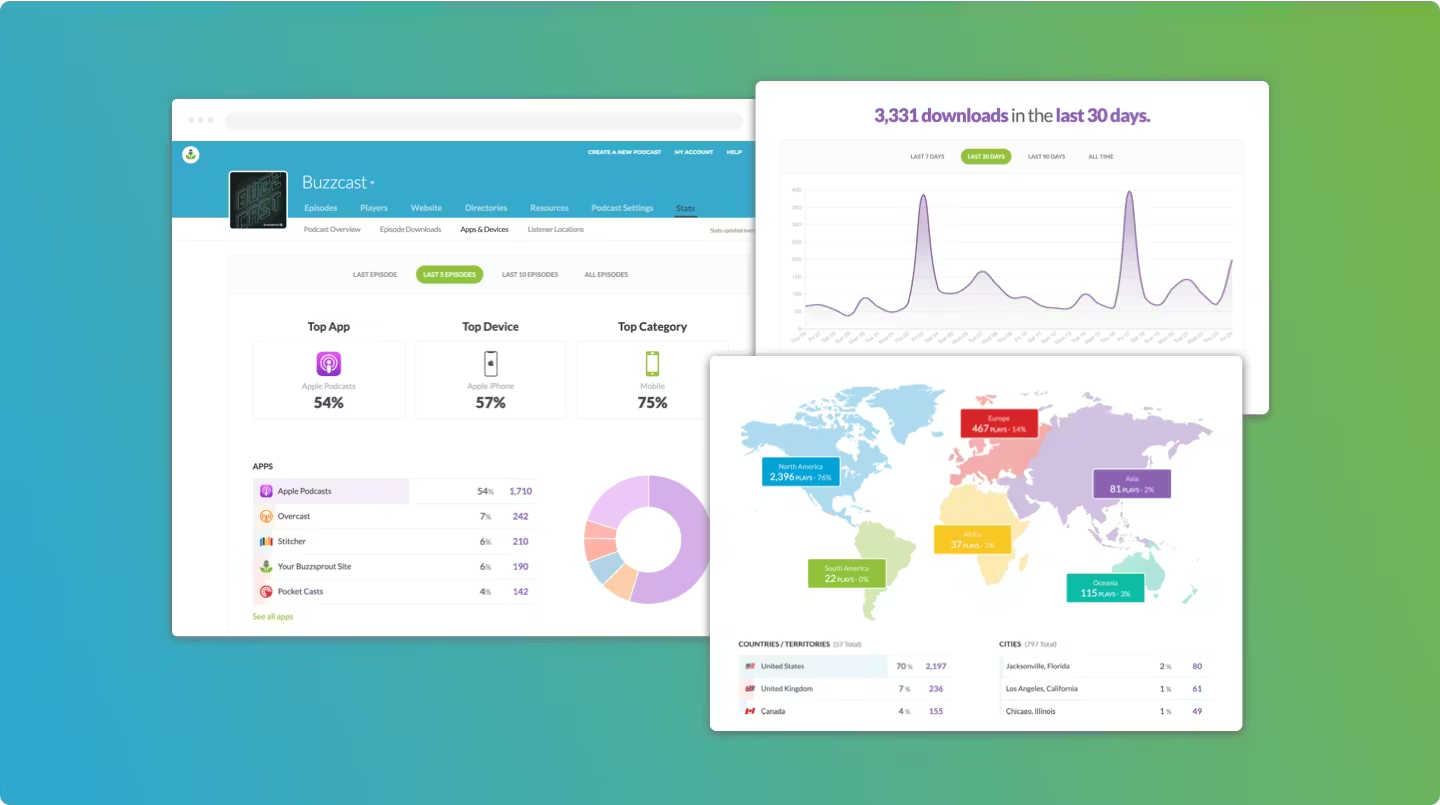
Best for: beginners who want simple podcast hosting with a clean dashboard.
Starting price: Free plans available. Paid plans commonly start around $12 per month.
Buzzsprout feels like the easiest place to learn the ropes without getting lost in settings. The dashboard gently guides you through publishing, so you can focus on making episodes you’re proud of. It’s a strong pick if you want your hosting to stay out of the way while you build consistency.
Standout features
- Straightforward publishing flow
- Automatic audio optimisation
- Easy-to-launch podcast website options
Ideal if you… want the simplest route to a successful podcast.
Avoid if you… need to create unlimited podcasts under one account.
2. Spotify for Creators
.jpg)
Best for: free podcast hosting with fast setup and Spotify-native distribution.
Starting price: Free.
If you’re testing a free podcast and want minimal friction, this is a quick win. Spotify for Creators is built for fast publishing, and it’s especially handy if Spotify’s a key part of where you want listeners to find you.
Standout features
- Free podcast hosting with unlimited storage
- Upload audio and video podcast episodes
- Basic analytics built in
Ideal if you… want a free podcast to go live quickly.
Avoid if you… need advanced podcast analytics or deep customisation.
3. Podbean
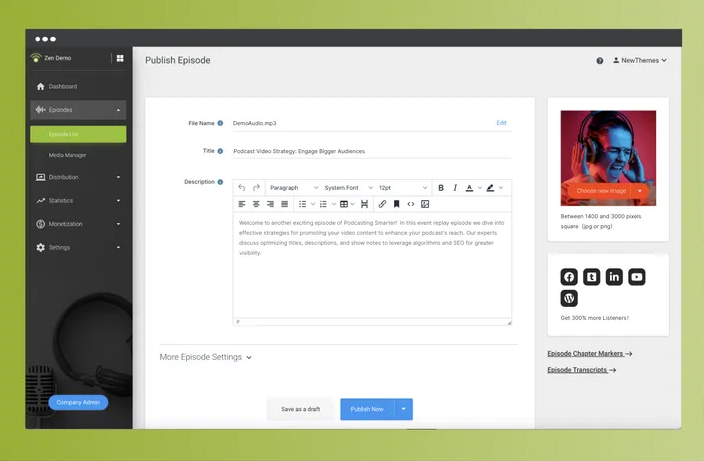
Best for: creators who want strong monetisation tools, scaling, and video podcast hosting.
Starting price: Free plans available. Paid plans unlock more and can include unlimited hosting.
Podbean suits shows that want to grow into monetisation without changing platforms later. It’s a strong choice if you’re publishing regularly and want your hosting to support both audience building and revenue options.
Standout features
- Monetisation tools and listener support
- Advanced analytics and reporting options
- Video podcast hosting on relevant tiers
Ideal if you… want an all-in-one podcasting platform with monetisation built in.
Avoid if you… only need a simple podcast hosting site for audio.
4. Captivate
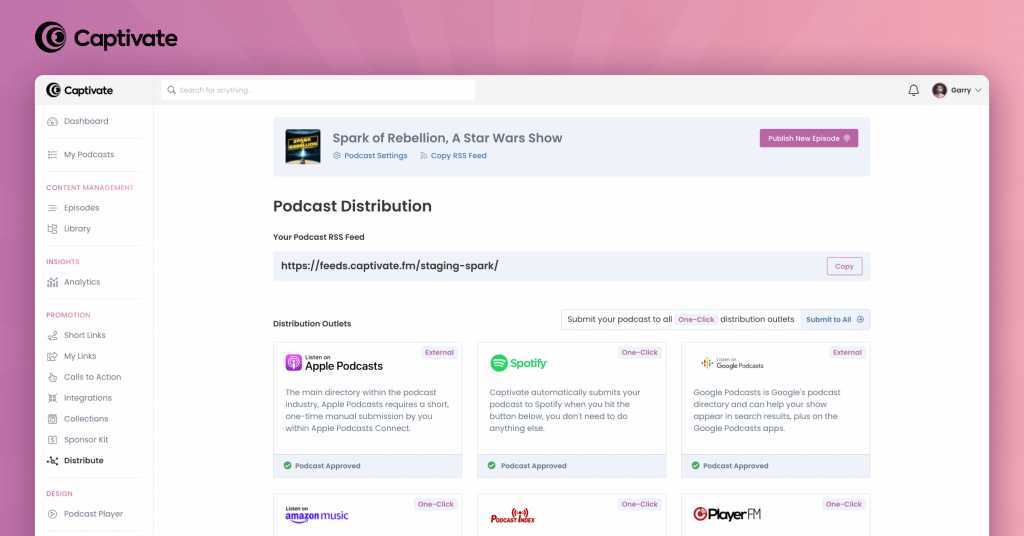
Best for: growth-minded creators who want smarter promotion and private podcasting.
Starting price: Paid plans, with a 7-day free trial. Pricing is often cited around $19 per month to start.
Captivate is for creators who treat growth like a system, not a hope. If you want promotion tools, cleaner tracking, and private podcasting in the same place, it’s a smart fit.
Standout features
- Growth and marketing tooling
- Advanced analytics focus
- Private podcasting on every plan
Ideal if you… want growth tools that help you build momentum.
Avoid if you… want a forever-free host.
5. Transistor
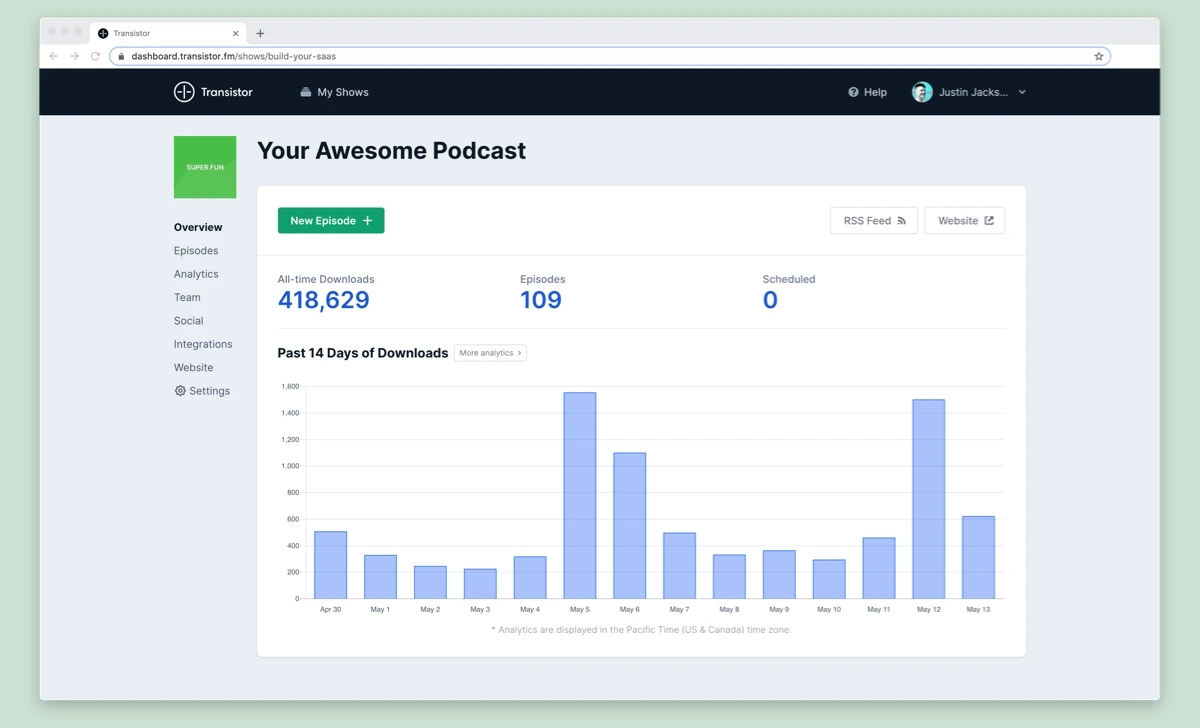
Best for: teams that need to host multiple podcasts under one plan.
Starting price: Paid plans.
Transistor keeps multi-show setups organised, which matters when you’ve got more than one feed to manage. It’s ideal if you’re running a network, a studio slate, or a brand with multiple series
Standout features
- Multiple podcasts per plan
- Team workflows for multiple team members
- Robust analytics
Ideal if you… want to create unlimited podcasts over time without juggling separate accounts.
Avoid if you… only need a basic podcast and a free plan.
6. Simplecast
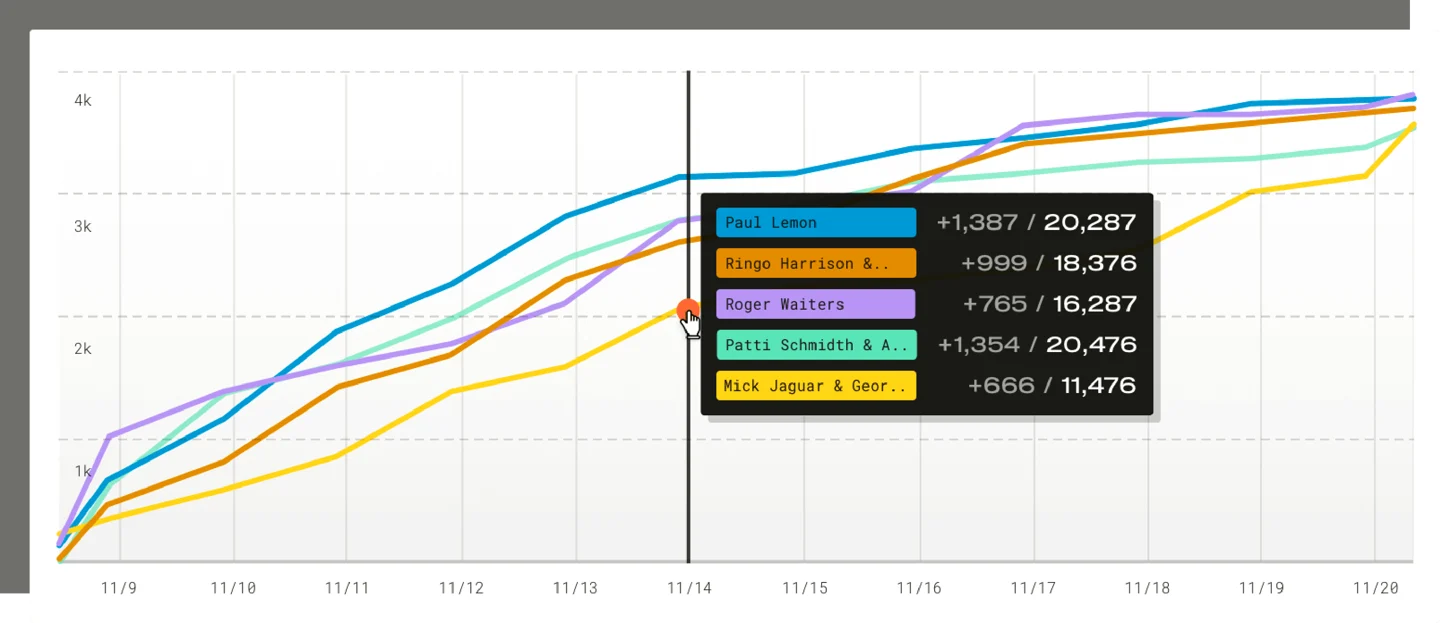
Best for: branded podcasts and teams that want enterprise-grade infrastructure.
Starting price: 14-day free trial.
Simplecast feels built for teams that need reliability and reporting that won’t raise questions internally. If your show has stakeholders, approvals, or brand standards, it’s a platform that tends to fit that world.
Standout features
- Professional-grade analytics
- Scalable infrastructure
- Strong web and player tools
Ideal if you… need an analytics platform feel and enterprise reliability.
Avoid if you… want the cheapest route for a basic podcast.
7. Libsyn
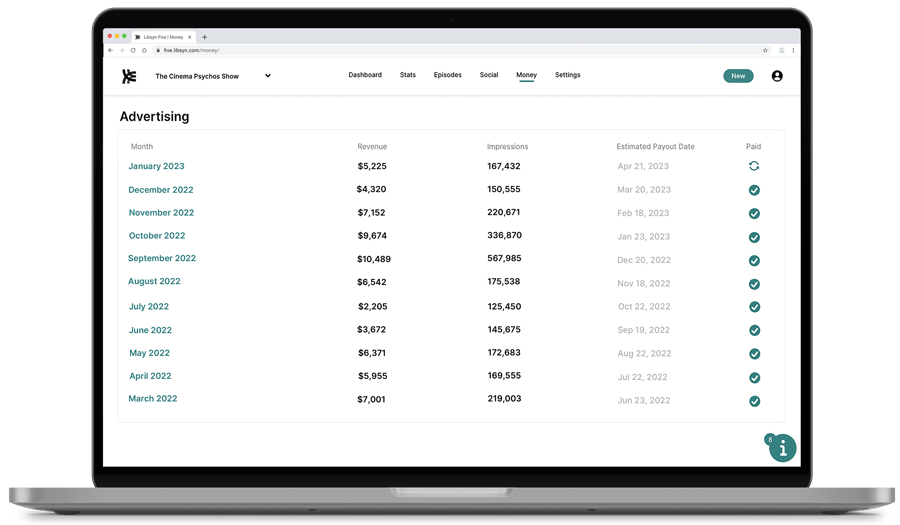
Best for: experienced podcasters who want a trusted, established hosting provider.
Starting price: Paid plans. No free plan.
If you want something you can set up once and rely on for the long haul, Libsyn fits. It’s a strong match for established podcasters who value control and proven infrastructure over chasing the latest feature.
Standout features
- Long-standing infrastructure and scale
- Deep feature set and distribution controls
- Reliable hosting and uptime focus
Ideal if you… want reliability and control from a proven hosting provider.
Avoid if you… want a lightweight, beginner-first dashboard.
8. RSS.com
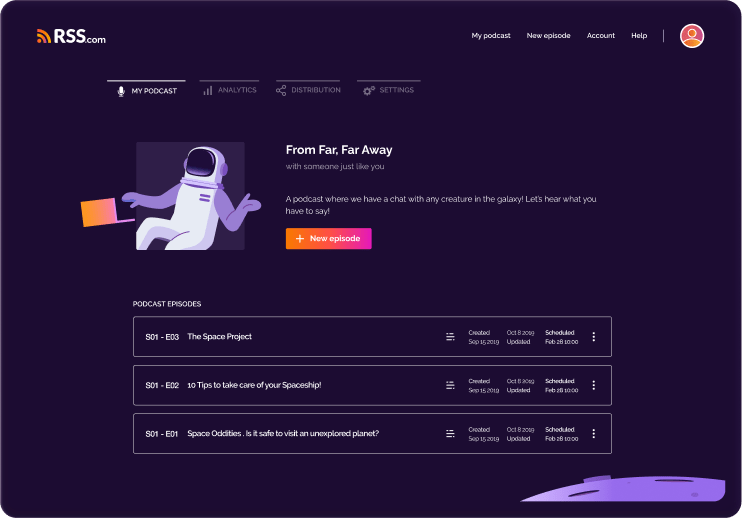
Best for: creators who want straightforward podcast hosting with strong included tools.
Starting price: Paid plans.
RSS.com is straightforward and practical, with enough built-in tools to cover most publishing needs. It’s a good option if you want to get set up quickly, then refine your workflow as the show develops.
Standout features
- Unlimited storage (commonly highlighted)
- Simple setup for RSS feed and distribution
- Built-in podcast website options
Ideal if you… want a stable hosting platform without extra complexity.
Avoid if you… need heavy enterprise reporting.
9. Acast
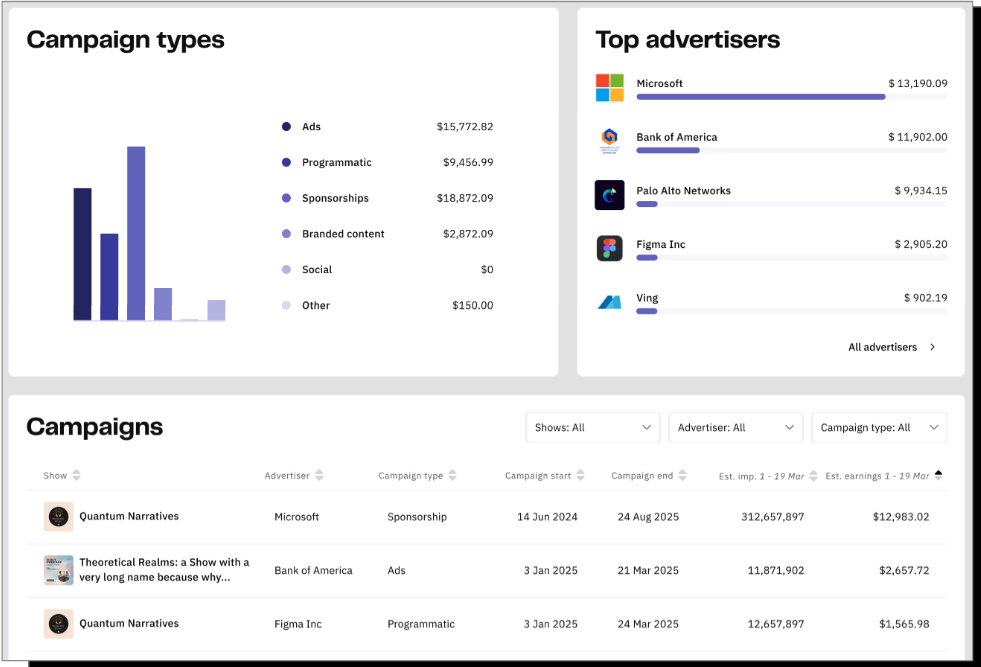
Best for: creators who want a free tier with the basics and room to grow.
Starting price: Free plans available.
Acast is a strong “start here” option if you want a free tier with the basics and a clear upgrade path. It suits new launches where you want to keep things simple now and expand later.
Standout features
- Free tier for getting started
- Basic analytics
- Basic podcast website included
Ideal if you… want a free plan that includes a basic podcast website.
Avoid if you… need unlimited podcasts from day one.
10. Castos
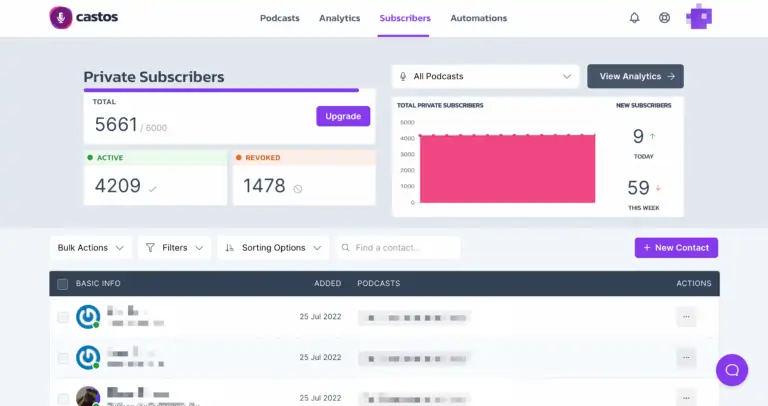
Best for: WordPress-first creators and private podcasting.
Starting price: Paid plans.
When your WordPress site is the centre of your show, this is the kind of hosting that clicks into place. Castos is built for WordPress-first workflows, so your episodes and site content can live together without awkward workarounds.
Standout features
- WordPress integration
- Private podcasting tools
- Seriously Simple Podcasting plugin support
Ideal if you… want podcast hosting that fits your WordPress workflow.
Avoid if you… don’t want a WordPress integration approach.
11. RedCircle
.png)
Best for: creators who want a free tier and monetisation-first tools.
Starting price: Free plans available.
RedCircle is built with independent podcasters in mind, especially if you want flexibility while you experiment. It’s a good pick if you want room to grow without committing too much budget up front.
Standout features
- Free tier with unlimited storage and distribution
- Monetisation-first options
- Tools that support growth and promotion
Ideal if you… want to start free and build towards monetisation.
Avoid if you… need premium website controls on day one.
12. Spreaker
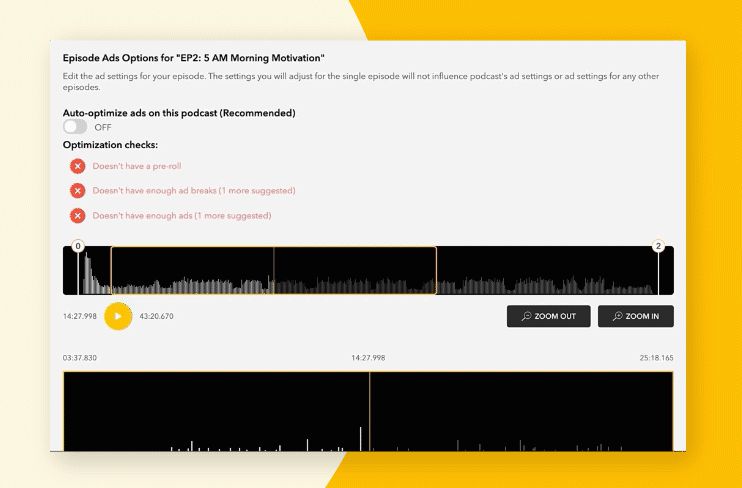
Best for: creators who want publishing plus monetisation options.
Starting price: Free plans available, with upgrades.
For frequent publishing and a more live, broadcast-style rhythm, Spreaker makes sense. It’s also worth a look if you want your hosting to support monetisation options as the show grows.
Standout features
- Monetisation options including ads and subscriptions
- Listener support and engagement tools
- Plans that can include unlimited podcasts
Ideal if you… want monetisation tools and a wide platform toolkit.
Avoid if you… want the simplest hosting platform possible.
How to choose the right podcast hosting platform
Start with your goal:
Final take
If you want the easiest start, Buzzsprout is a great beginner pick. If you want free podcast hosting, Spotify for Creators is hard to beat. If monetisation is the goal, Podbean is a strong all-rounder. If you need multiple podcasts under one plan, Transistor is built for it. If private podcasting is non-negotiable, Captivate and Castos should be high on your shortlist.
Ready to take your podcast to the next level?
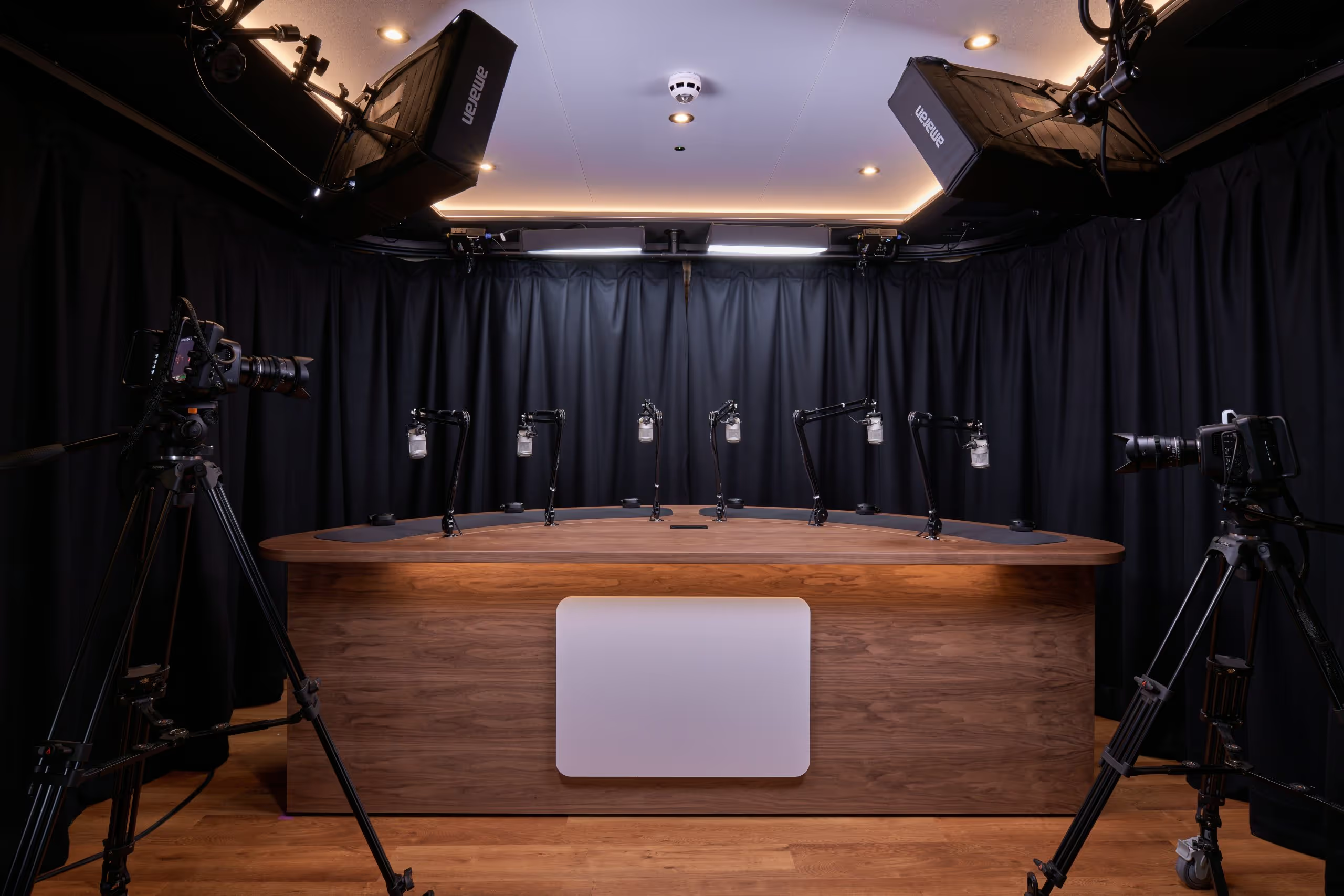
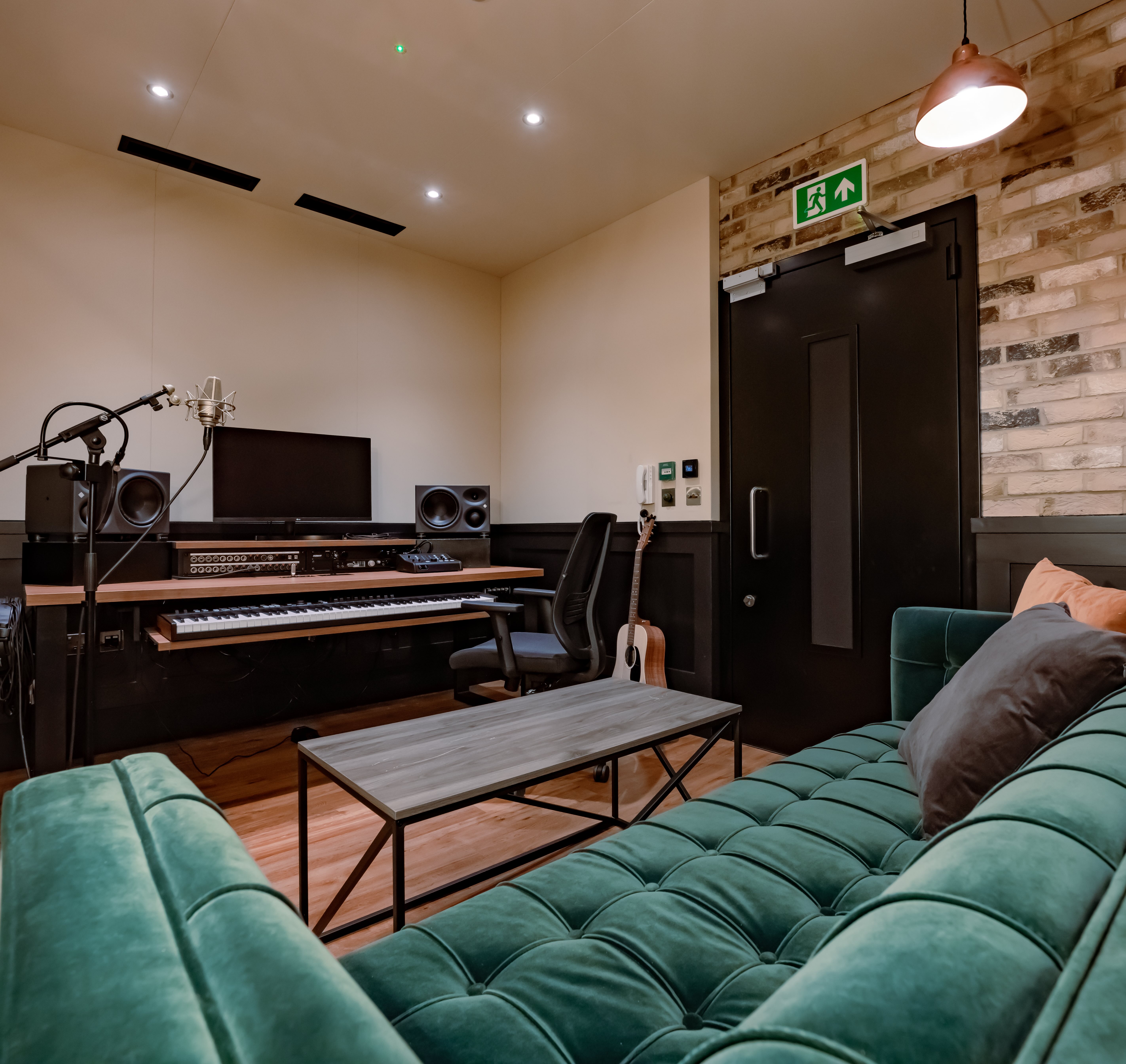
Once your hosting is sorted, the quality of what you upload is what keeps listeners coming back. TYX Studios has three podcast studios at Tileyard London with acoustically treated rooms, 4K video, and a technician on every session. Studio 1, our latest space, is designed for regular recording with swappable backdrops and ceiling-rigged lighting that keeps the setup clean and fast.
We also offer full podcast production covering recording, editing, mastering, and finished episodes ready to upload to whichever platform you choose. From solo sessions to remote interviews and multi-camera video podcasts, TYX is trusted by some of the industry's biggest names.
Frequently Asked Questions
Start with what you need today, then choose for how you’ll publish six months from now. Check that it reliably handles distribution, gives you the level of analytics you actually want, and supports your setup, like a podcast website, an embeddable player, multiple shows, or team access. If you plan to monetise or run private podcasting, make those requirements upfront rather than “nice to haves.”
It ranges from free to paid plans that typically sit in the low double digits per month, with higher tiers for bigger shows and teams. Costs usually rise with higher download limits, more advanced analytics, more seats, and monetisation features like dynamic ad insertion. The cheapest plan is not always the best value if you outgrow it quickly.
Yes, - can be a good way to test a show and build consistency. The trade-offs are usually around feature limits, branding and website options, support, analytics depth, and how easily you can grow into monetisation or teams. If you care about long term control, check what happens when you want to move or upgrade.
You can, but it is rarely ideal. Podcast files are large, downloads can spike, and website hosting is not always built for reliable media delivery at scale, which can cause slow playback or bandwidth costs. A dedicated podcast hosting platform is designed to handle delivery, feeds, and directory distribution cleanly.
Your hosting platform generates the RSS feed for you once your show is set up. You then submit that feed to directories like Apple Podcasts and Spotify, usually a one time process per platform. After that, publishing new episodes in your host updates the feed automatically.
Publish to the major listening platforms first, especially Apple Podcasts and Spotify, then add the other directories your audience uses. Most hosting platforms can push distribution to multiple destinations from one dashboard, so you are not manually uploading everywhere. If you have a podcast website, embed episodes there too so you have a home outside apps.
Spotify for Creators offers free hosting and publishing tools, and you can distribute beyond Spotify as well. What is not always “free” is every advanced capability you might want, such as deep analytics, private RSS-style delivery, or certain monetisation programmes, which can vary by eligibility and region. Treat it as a strong starting point, then check limitations against your goals.
Check out our guide on how to start a podcast on Spotify in 2026.
Usually yes, if you move correctly. The key is setting up a redirect from your old RSS feed to the new feed so listening apps update automatically over time. Expect a transition period while platforms refresh, and avoid changing multiple variables at once, like show titles and feed URLs, during the move.
Beyond storing and delivering files, hosts usually provide distribution tools, an analytics dashboard, and an embeddable player. Many also offer a simple podcast website or episode pages, scheduling, team workflows, and monetisation features depending on plan. Think of it as your publishing system, not just file storage.
It means the platform’s download reporting follows industry measurement guidelines so the numbers are more standardised. That matters if you are comparing performance across platforms, reporting to stakeholders, or selling sponsorships where consistency is important. It does not make your show bigger, but it makes your reporting more defensible.
How to Start a Podcast in 2026: Full Step-by-Step Guide
Learn how to create a podcast in 2026 with a practical, step-by-step system for planning, recording, hosting, editing, and launching across audio and video.